How Often Should You Schedule a Roof Inspection

Roof Inspections

Table of Contents

Roof Inspections

A roof inspection is a professional evaluation of your roof’s condition. It helps identify structural weaknesses, surface wear, and hidden issues that threaten safety or reduce home value.

Key Components of a Roof Inspection Include:

  • Structural Roof Evaluation: Assesses decking, rafters, and supports.
  • Surface Condition Check: Identifies granule loss, broken shingles, or corrosion.
  • Flashing and Sealant Review: Detects cracks or displacement near vents, chimneys, and joints.
  • Attic Ventilation and Insulation: Prevents moisture buildup and heat damage.
  • Moisture Detection: Locates leaks, water stains, or mold risks.

Why Are Roof Inspections Important?

  • Preserves Structural Integrity: Early detection avoids costly damage.
  • Meets Home Insurance Requirements: Many insurers require documentation for coverage.
  • Boosts Property Value: A healthy roof reassures buyers.
  • Prevents Safety Hazards: Avoids water intrusion, collapse risk, and fire hazards.
  • Extends Roof Lifespan: Minor fixes delay major replacements.

Most roofing contractors use an inspection checklist to cover 25–40 critical points, ensuring nothing is missed. Modern inspections often integrate thermal imaging and drones to increase accuracy.

Next: How frequently should you inspect your roof?

How Often Should Roof Inspections Be Done?

Most roofs should be inspected at least once a year. However, inspection frequency depends on roof type, material, age, and weather exposure.

Roof Type

Recommended Inspection Frequency

Asphalt Shingles

Annually; biannually if aging

Metal Roofs

Every 2–3 years; after storms

Tile Roofs

Annually due to potential cracking

Flat Roofs (EPDM)

Twice per year; prone to water pooling

Wood Shake Roofs

Annually; monitor for rot/insects

Inspection Timing Guidelines:

  • Annual Inspections: Recommended for most residential roofs.
  • Semi-Annual Checkups: Ideal for areas with seasonal extremes.
  • Post-Storm Inspections: Required after hail, wind, or heavy snow.
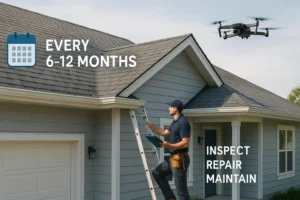
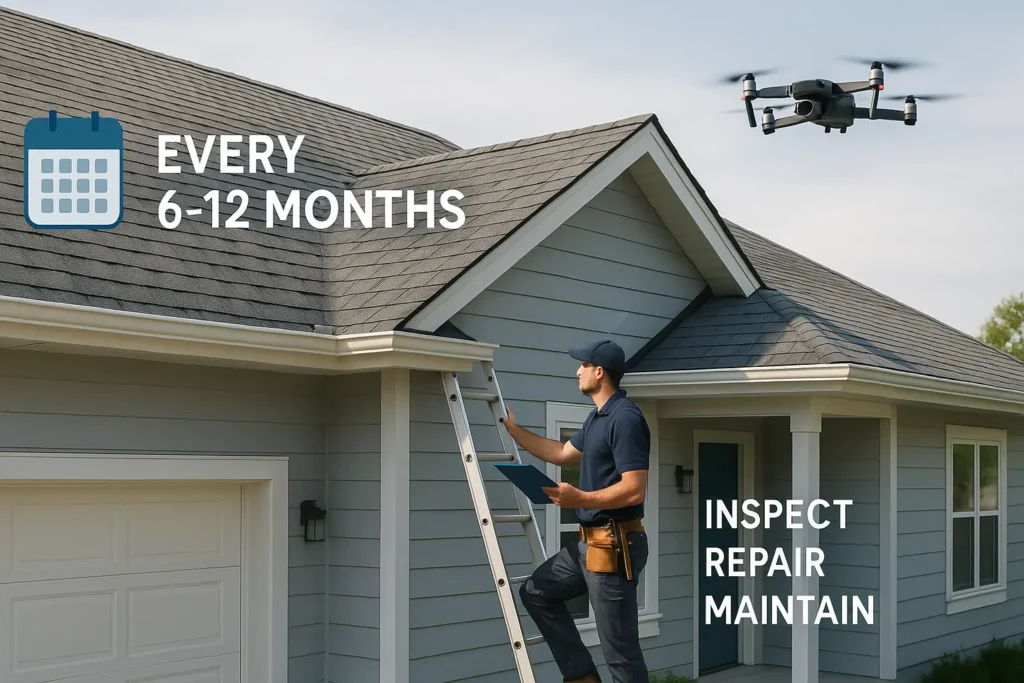
  • Aging Roofs (15+ years): Should be inspected every 6–12 months.

Regular roof checks align with building codes and warranty terms. Some manufacturers require documented inspections to uphold warranty claims.

Next: How roof materials impact inspection timing.

How Roofing Material Impacts Inspection Frequency

The roofing material directly affects how often you should inspect. Durability, weather resistance, and aging behavior vary by type.

Common Roofing Materials & Inspection Needs:

  • Asphalt Shingles: Check yearly for granule loss, curling, and nail pops.
  • Metal Roofs: Inspect every 2–3 years for thermal expansion, sealant wear, and rust.
  • Tile Roofs: Require annual checks due to brittleness; look for cracked or slipped tiles.
  • Flat Roofs (e.g., EPDM, TPO): Biannual inspections are essential; monitor waterproofing layers and pooling.
  • Wood Shake Roofs: Prone to rot and insect damage; inspect yearly.

Roofing Material

Durability

Common Inspection Points

Composite Shingles

15–30 yrs

Granule wear, edge lift

Metal Panels

40–70 yrs

Fasteners, corrosion, expansion gaps

Clay or Concrete Tile

50–100 yrs

Cracked tiles, underlayment exposure

EPDM/TPO Roofs

20–30 yrs

Seam splits, ponding water

Wood Shakes

20–40 yrs

Mold, insects, warping

Next: When is the best time of year for inspections?

Best Seasons to Schedule Roof Inspections

Spring and fall are the ideal seasons for roof inspections.

Seasonal Roof Inspection Breakdown:

  • Spring Roof Checks: Assess winter damage like ice dams, freeze-thaw cracks, and snow load strain.
  • Fall Roof Maintenance: Prepares your roof for winter; clear leaves, check sealants, and ensure drainage.
  • Winter Roof Risks:
    • Ice dam formation
    • Snowmelt leaks
    • Thermal cracking from freeze cycles
  • Summer Stressors:
    • UV damage
    • Thermal expansion
    • Gutter overflow from sudden storms

Season

Key Risks to Inspect For

Spring

Ice dam residue, broken shingles

Summer

UV cracks, heat stress, flashing wear

Fall

Leaf clogging, moisture prep

Winter

Snow accumulation, structural sagging

Thermal imaging tools help detect heat loss and trapped moisture during seasonal evaluations.

Next: What exactly does a professional roof inspection cover?

What Do Professional Roof Inspections Cover?

A professional roof inspection covers structure, surface, interior, and drainage.

Core Components in a Roof Inspection Checklist:

  • Roof Surface: Shingles, tiles, or metal panels for damage, curling, and displacement.
  • Flashing & Sealants: Look for cracks around chimneys, skylights, and vents.
  • Attic Inspection: Check rafter condition, water staining, insulation levels.
  • Decking & Underlayment: Identify rot, nail pops, and membrane failure.
  • Drainage System: Cleanliness and flow of gutters, downspouts, and scuppers.

Inspection Focus

Example Issues Identified

Flashing

Sealant cracks, displacement

Attic

Mold, insufficient ventilation

Surface

Curling shingles, bruised granules

Decking

Water intrusion, soft spots

Drainage

Gutter debris, overflow risk

Visual inspections are supported by drones, moisture meters, and 3D roof mapping tools.

Next: Can you inspect your roof yourself?

Can You Inspect Your Roof Yourself?

Yes, homeowners can perform basic DIY roof inspections, but professional checks are more thorough and safer.

DIY Roof Inspection Pros:

  • Spot visible wear with binoculars or a camera drone
  • Identify gutter debris and caulking issues
  • Check for missing or curled shingles

DIY Inspection Cons:

  • Unsafe roof access risks injury
  • May miss hidden structural or moisture issues
  • Not accepted for insurance or warranty validation

Inspection Type

Tools Used

Limitations

DIY Roof Check

Ladder, binoculars, camera drone

No moisture tools or training

Professional Check

Moisture meters, AI photo software

Licensed, certified, documented

Recommendation: Use a certified roofing contractor for inspections involving insurance, storm damage, or aging roofs.

Next: Why post-storm inspections are critical.

Why Storm Damage Inspections Are Crucial

Roof inspections after a storm are essential for detecting damage and documenting insurance claims.

Common Post-Storm Issues:

  • Hail Damage: Bruised shingles, granule loss, punctures.
  • Wind Damage: Uplifted shingles, flashing tears, loose fasteners.
  • Water Intrusion: Leaks from displaced materials or clogged drainage.

Damage Type

Signs to Look For

Hail

Soft spots, missing granules

Wind

Displaced tiles, exposed underlayment

Rain/Water

Ceiling stains, moisture in attic

Insurance Tips:

  • Get inspections done within 72 hours post-storm.
  • Request a certified damage report.
  • Use photos and inspection documentation as proof for claims.

Emergency services often include temporary tarps or sealing to prevent further damage.

Next: How inspections affect insurance and warranty coverage.

Insurance & Warranty Compliance with Regular Inspections

Insurance companies and manufacturers often require roof inspection reports. Missing them may void your coverage or warranty.

When Roof Inspections Are Required:

  • Before renewing or purchasing homeowner’s insurance
  • After a severe weather event
  • As part of the warranty claim requirements

Compliance Need

Documentation Required

Home Insurance Claim

Date-stamped inspection report

Warranty Activation

Proof of regular roof checks

Damage Dispute

Photos, assessor report, repair logs

Pre-existing damage or lack of records can lead to denied claims. A certified roof inspection report validates the roof’s condition before and after an event.

Next: What do roof inspections cost?

What Roof Inspections Typically Cost

Roof Inspections

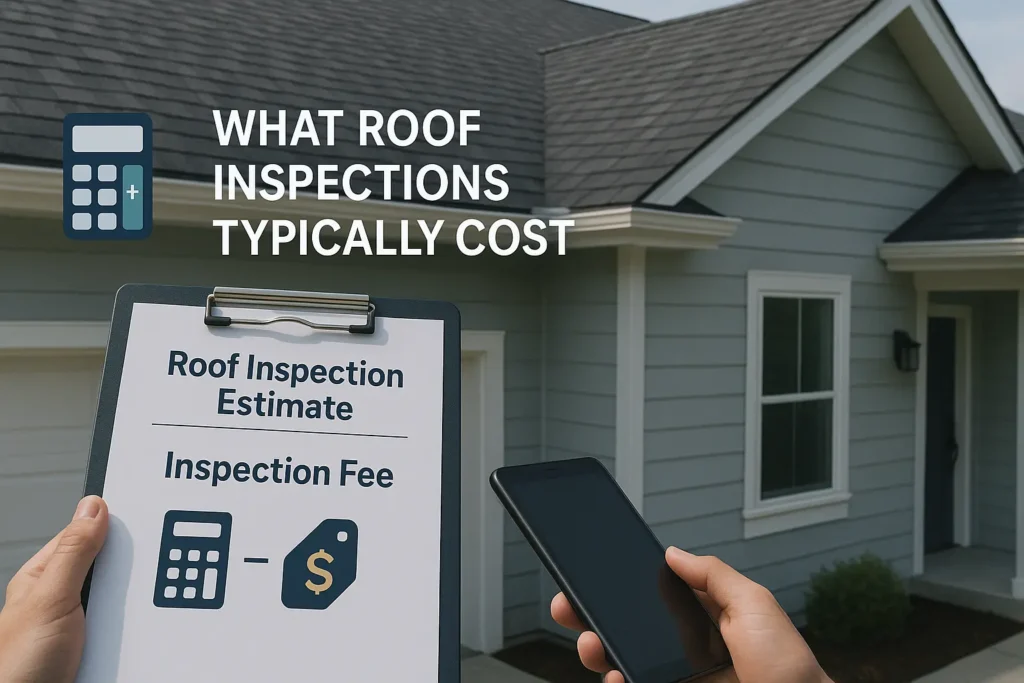
A standard roof inspection costs between €150 and €400 in most cases. Some companies offer free roof checkups as part of repair estimates.

Roof Inspection Pricing Factors:

  • Roof size (cost per m² or ft²)
  • Accessibility and slope
  • Tools used (e.g., drones, infrared scans)
  • Detailed reporting or damage analysis

Inspection Type

Average Cost Range

Visual Inspection

€150 – €250

Infrared/Thermal Scan

€300 – €500

Drone Inspection

€200 – €400

Emergency Assessment

€100 – €250 extra

Free roof inspections usually aim to generate repair quotes. Certified inspections come with a detailed checklist and an actionable report.

Next: What technologies are used in modern inspections?

Innovative Tools and Techniques in Modern Roof Inspections

Modern roof inspections use advanced technologies to increase accuracy and safety.

High-Tech Tools Used in Roof Evaluations:

  • Drones: Capture high-resolution photos of hard-to-reach areas.
  • Thermal Imaging Cameras: Detect heat loss and moisture infiltration.
  • Moisture Meters: Pinpoint hidden leaks under shingles or tiles.
  • AI Image Analysis: Auto-identifies cracked surfaces or sealant failures.
  • 3D Roof Mapping: Measures slope, area, and damage scale.

Tool Used

Function

Drone Inspection

Aerial imagery, safety

Infrared Scanning

Heat patterns, water detection

Moisture Radar

Leak source detection

Inspection Software

Auto-tagging of problem areas

Roof slope mapping also helps in estimating repair areas and material needs.

Next: How to choose a reliable roof inspector.

What to Look for in a Roof Inspection Service

Roof Inspections

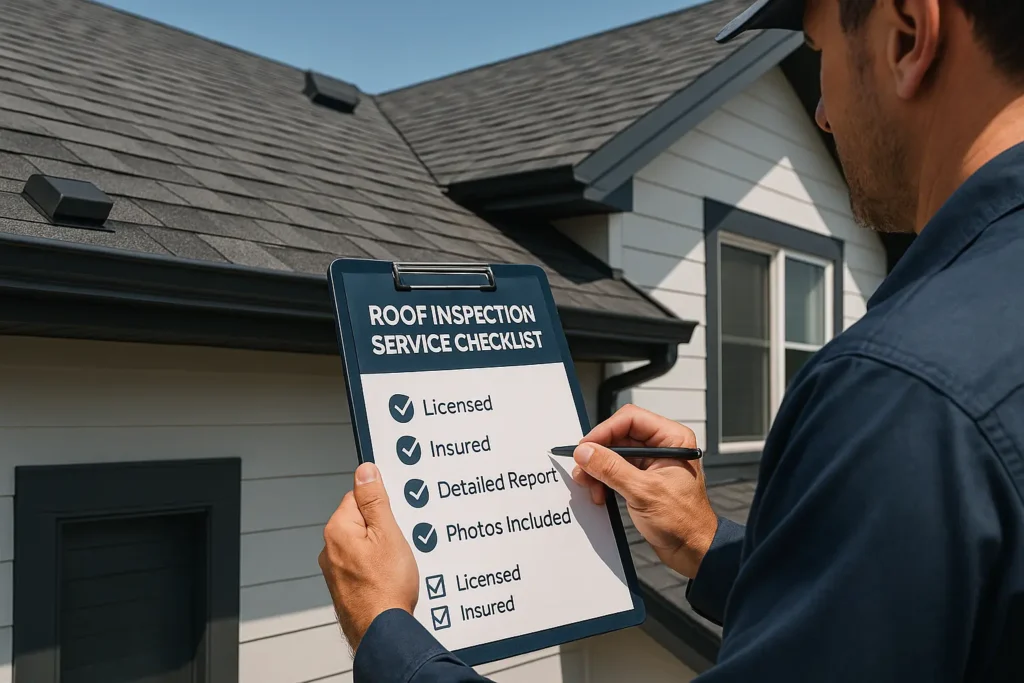
Choose a certified roofing inspector with verified credentials, good reviews, and transparent reporting.

What Makes a Trusted Roof Inspector?

  • Valid license and certification (check with local roofing boards)
  • Portfolio of past inspections or repairs
  • Positive reviews (Google, BBB, Trustpilot)
  • Transparent pricing and written inspection guarantees

Evaluation Factor

What to Verify

License & ID

Registered with local authorities

Contractor Reviews

At least 4+ star average rating

Inspection Guarantee

Covers all listed checklist points

Insurance Backing

Carry liability and work coverage

Avoid contractors who refuse to show credentials or provide vague estimates.

Next: Answering common roof inspection questions.

FAQs About Roof Inspections

How long does a roof inspection take?

Most roof inspections take 30 to 90 minutes, depending on the roof size and inspection type.

What happens if you skip regular roof inspections?

You risk undetected damage, insurance claim denial, and higher repair costs.

Is there any concealed signs of roof damage within the attic?

How do I know if my roof needs immediate inspection?

Signs include leaks, loose shingles, sagging, or storm aftermath.

Are drone roof inspections accurate?

Yes. Drones provide aerial views and zoom-in capabilities without risking injury. Ideal for steep or inaccessible roofs.

Do insurance companies require regular roof inspections?

Yes. Many insurers require periodic roof condition reports to maintain or renew policies.

Want More High-Quality Roofing Projects on Long Island?

G&V Roofing delivers trusted craftsmanship, reliable service, and local expertise that turns property owners into lifelong clients—all from one professional source.

Our Services:

🔨Slate Roofing—Elegant, long-lasting, and perfect for upscale homes.
🏛Tile Roofing—Durable and stylish roofing built to handle the Northeast climate.
🏠Residential Roofing—From repairs to full replacements, we protect your home like it’s our own.
🏢Commercial Roofing—Professional-grade roofing systems for businesses and facilities.
💧Gutters—Proper drainage solutions to protect your foundation and landscaping.
🪟WindowsEnergy-efficient and beautiful—enhance your view and lower utility bills.
🧱Siding—Boost curb appeal and protect your exterior with high-performance materials.

Learn About:

✅ Choosing the Right Roofing Materials for Long Island Homes
✅ Roofing Tips for Nassau & Suffolk County Weather
✅ How to Spot Roof Damage Before It Becomes Expensive
✅ The Real Cost of Delaying Roof Repairs
✅ Seasonal Roof Maintenance Checklists


🏡 Looking to Upgrade Your Roof or Protect Your Property Investment?

Whether you’re a homeowner looking for reliable roof solutions or a property manager seeking fast, expert repairs—G&V Roofing is your go-to Long Island partner for long-lasting protection and peace of mind.

📌Follow Us for the Latest in Roofing Care, Property Protection & Home Improvement:

🎵Tiktok: Watch fast transformations, tips from the crew, and roofing secrets revealed
🎥YouTube: Explore step-by-step guides, customer stories, and full project showcases
📸Instagram: See beautiful before-and-afters, behind-the-scenes content, and premium materials
👍Facebook: Read reviews, see featured jobs, and connect with the local G&V Roofing community

👉 Contact G&V Roofing today and discover why craftsmanship matters
With over 50 years of combined experience, George and Vinny deliver unmatched quality and reliability in roofing.

Table of Contents