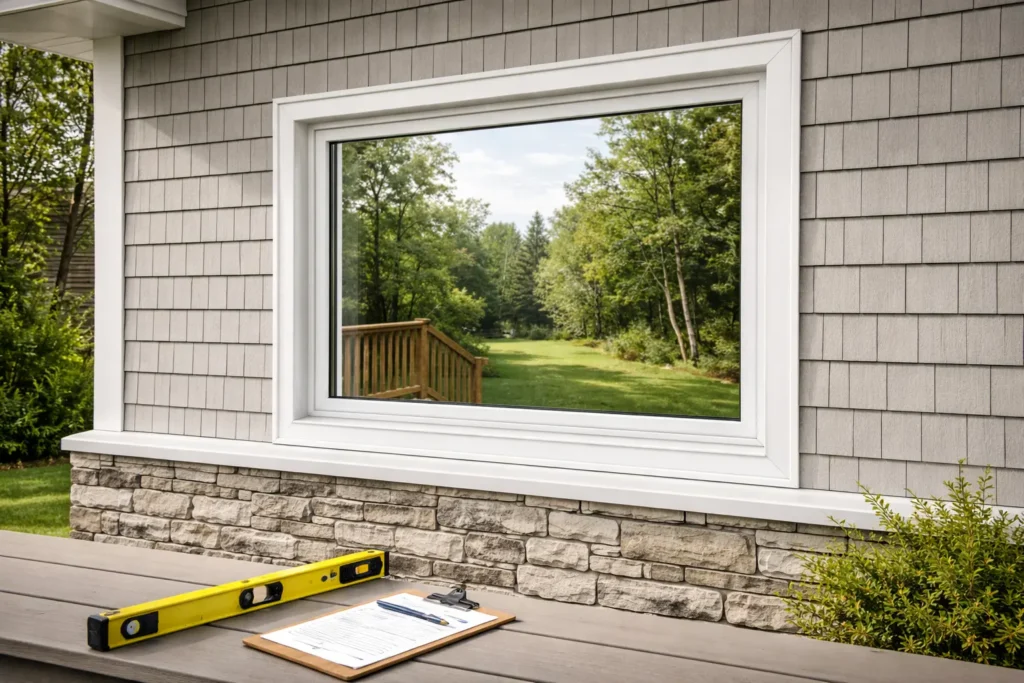
Best Methods for Flawless Window Installation

best window installation

Table of Contents

best window installation

Best window installation is more than just placing glass into a wall opening—it’s a technical process that directly impacts a building’s energy efficiency, moisture control, and structural durability. Improper window fitting leads to air leakage, higher energy bills, and even water damage. This guide explores the best practices for professional window installation, from pre-assessment to post-installation testing.

Why Does Best Window Installation Practices Matter?

Proper best window installation improves energy performance, prevents moisture intrusion, and ensures long-term structural integrity. Poor installation increases heating and cooling costs, causes air drafts, and can violate local building codes. For homeowners planning renovations or new builds, understanding expert window installation techniques ensures compliance with construction standards and protects the building envelope.

You’ll learn:

  • How to prepare openings and choose the right windows
  • Tools and steps for flawless mounting
  • How to inspect your installation for maximum airtightness

Let’s start with the critical first steps.

Pre-Installation Assessment: Critical First Steps

Before best window installation begins, you must inspect the rough opening for proper size, alignment, and structural soundness.

Key Pre-Installation Checks:

  • Inspect the rough opening: Use a tape measure to verify width and height with 1/4″–1/2″ of space around the frame.
  • Check for level and plumb: A spirit level helps identify alignment issues early.
  • Assess for moisture damage: Use a moisture meter around framing materials.
  • Confirm wall integrity: Look for warping or rot in the structural opening.
  • Plan for sill pan installation: This step prevents future water infiltration at the window base.


Pre-installation window checks like plumb alignment and rough opening inspection ensure accurate window fitting and reduce installation errors.

Choosing the Best Window Installation for Your Structure

Selecting the best window installation type impacts thermal performance, aesthetics, and code compliance.

Compare Window Materials:

Material

Benefits

Drawbacks

Vinyl

Low maintenance, affordable, energy-efficient

May warp in extreme heat

Wood

Classic appearance, good insulation

Needs regular upkeep

Fiberglass

Durable, excellent insulation, stable

Higher cost

Consider Energy Performance:

  • U-Factor: Measures heat transfer. Lower values = better insulation.
  • SHGC (Solar Heat Gain Coefficient): Rates how much solar radiation passes. Lower is better for hot climates.
  • ENERGY STAR-rated windows: Ensure compliance with energy codes across U.S. climate zones.

Eco-friendly window solutions such as triple glazing or low-E coatings provide enhanced thermal barrier performance.

Tools and Materials Needed for Proper Best Window Installation

Every phase of window installation requires specific tools to ensure a secure and weatherproof fit.

Best Window Installation Tools:

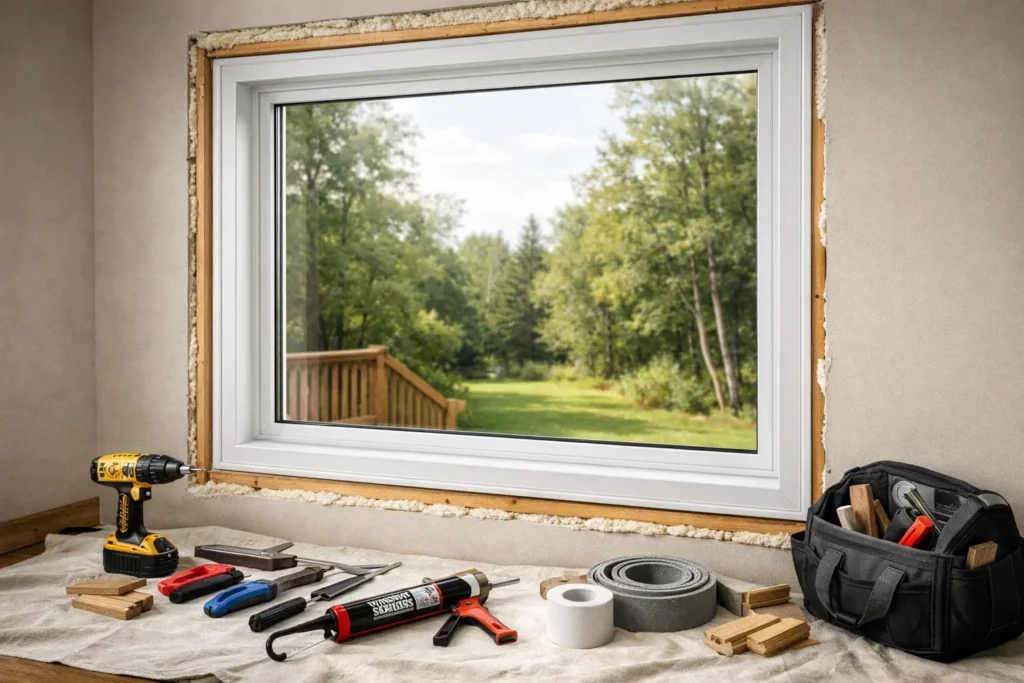
  • Tape measure, utility knife, and caulk gun for measurements and sealing
  • Flashing tape and corner guards for moisture protection
  • Backer rod and foam insulation for airtight sealing
  • Drill with fastening anchors to secure the window
  • Shims and level for accurate positioning

Professional Window Fitting Materials:

Material

Function

Polyurethane foam

Seals gaps between frame and wall

Vapor barrier

Prevents indoor moisture movement

Flashing membrane

Protects the rough opening edges

Expansion gap spacers

Allows for material movement

Using the right window installation toolkit ensures you avoid common errors like insulation voids or expansion cracks.

Step-by-Step Guide to the Best Window Installation Practices

Flawless window installation follows a detailed, structured process.

1. Remove the Old Window

  • Cut caulk lines with a utility knife.
  • Detach fasteners and carefully extract the frame.

2. Prepare the Opening

  • Install a sill pan and apply flashing tape in a shingle fashion.
  • Ensure proper slope on the sill to allow drainage.

3. Dry Fit and Shim the Window

  • Place the window in the opening temporarily.
  • Shim along jambs to ensure level, square, and plumb positioning.

4. Fasten the Window

  • Drive screws through pre-drilled flange holes.
  • Do not overtighten to avoid frame distortion.

5. Insulate and Seal

  • Fill insulation gaps with foam sealant (low-expanding).
  • Apply flashing tape over window flanges.
  • Seal edges with high-quality exterior caulk.

Following this standard window installation process reduces air leaks, enhances energy efficiency, and prevents future maintenance issues.

Ensuring Airtight and Watertight Seals

Airtight seals prevent energy loss. Watertight seals block moisture intrusion. Both protect your home’s envelope.

Best Sealing Practices:

  • Use closed-cell foam insulation around the window perimeter.
  • Apply caulk at all exterior seams, especially under the drip cap.
  • Install weep holes correctly to allow water to drain without entering the structure.
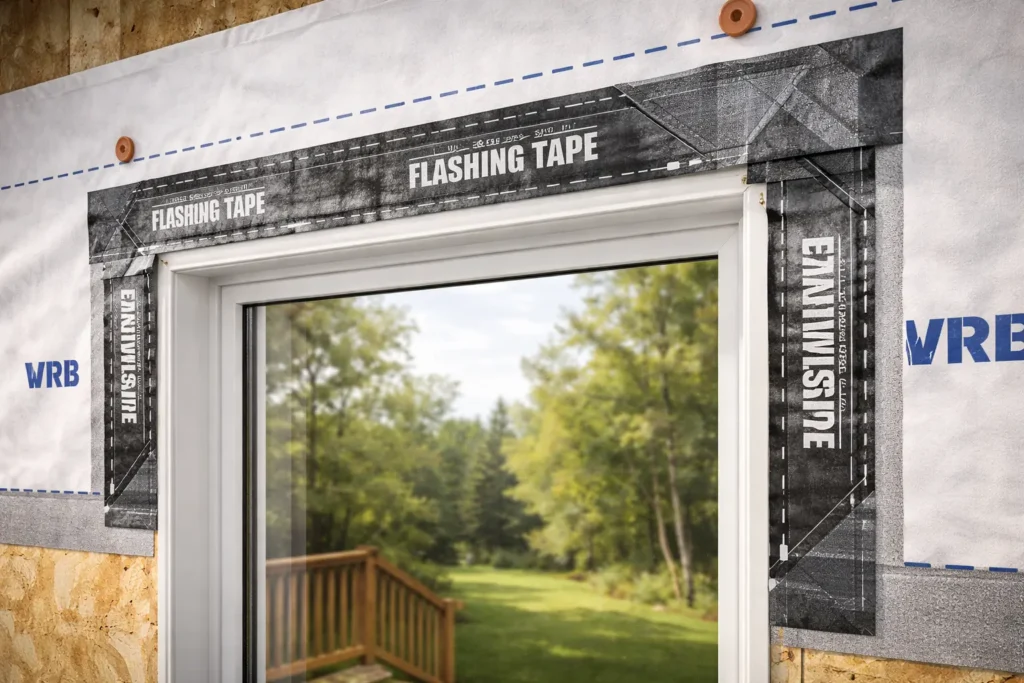
  • Overlap flashing tape in a shingle style to guide water outward.

Avoid These Sealing Mistakes:

  • Leaving gaps in flashing
  • Skipping foam insulation
  • Using incompatible sealants


Sealing best practices for windows mitigates risks of condensation, thermal bridging, and structural damage.

Window Flashing Best Practices

window installation

Flashing is essential for directing water away from the building structure.

Key Flashing Types:

  • Sill Flashing: First layer, channels water outward.
  • Jamb Flashing: Side coverage, overlaps sill tape.
  • Head Flashing: Final layer, shields against top-down rain.

Flashing Sequence (Shingle Effect):

  1. Install sill pan or self-adhered flashing.
  2. Add corner guards at the bottom corners.
  3. Set the window and fasten it.
  4. Apply jamb flashing.
  5. Install head flashing last.

Proper window flashing using the shingle technique ensures long-term water resistance and aligns with code-compliant window flashing installation.

Common Mistakes in Best Window Installation

Avoiding these common window fitting issues improves performance and durability.

Frequent Errors:

  • Skipping flashing or misapplying tape
  • Over-foaming insulation causing frame bowing
  • Failing to level or shim correctly
  • Incorrect screw placement on flanges
  • Using interior-only sealants

Results of Poor Installation:

  • Condensation inside glass panes
  • Air and water leaks
  • Settlement cracks
  • Broken window seals

Understanding installation pitfalls helps you ensure window longevity and avoid costly repairs.

Testing and Inspecting Post-Installation

Verifying the window’s performance ensures it meets energy and safety standards.

Final Inspection Checklist:

  • Check for level and plumb alignment
  • Inspect caulk seams for gaps or cracks
  • Ensure window opens, closes, and locks smoothly


Testing Methods:

  • Blower door test: Detects air leakage
  • Thermal imaging: Finds insulation voids or cold spots
  • Water penetration test: Simulates rain to test seals


A post-installation window check validates the installation and ensures code compliance and homeowner satisfaction.

Seasonal Considerations for Best Window Installation

Temperature, humidity, and weather conditions impact installation quality.

Cold Weather Installation Tips:

  • Use cold-weather rated sealants and foam
  • Warm materials before applying
  • Allow extra curing time for adhesives


Hot Weather Considerations:

  • Avoid high humidity during sealant application
  • Schedule early morning installs to prevent thermal shock
  • Use UV-resistant flashing tape


Climate-based window installation ensures long-term seal flexibility and reduces material failure.

Hiring the Right Professional for Best Window Installation Results

best window installation

Choosing a certified and experienced installer ensures professional window installation that meets code.

What to Look for in the Best Window Installation Contractor:

  • Licensing and bonding
  • Manufacturer certifications
  • Warranty on labor and materials
  • Verified customer reviews
  • Proof of insurance

Questions to Ask:

  • Are you certified to install ENERGY STAR windows?
  • What’s included in the labor warranty?
  • Can you show past project references?


Hiring a licensed window technician reduces the risk of errors and provides legal protection if issues arise.

FAQs on Best Window Installation Practices

How long does a best window installation take per window?

Professional installation usually takes 30–60 minutes per window, depending on the complexity and condition of the opening.

Should windows be installed from the inside or outside?

Most modern windows are installed from the outside to ensure proper weatherproofing and flashing application.

What are the signs of a poorly installed window?

Drafts, water stains, condensation between panes, and sticking operation are signs of improper installation.

Can I install windows myself, or should I hire a professional?

DIY is possible for experienced individuals, but hiring a certified installer ensures compliance with energy codes and warranty protection.

How do I know if my best window installation is energy-efficient?

Look for ENERGY STAR certification, low U-factor, proper insulation, and zero air leakage during blower door tests.

Want More High-Quality Roofing Projects on Long Island?

G&V Roofing delivers trusted craftsmanship, reliable service, and local expertise that turns property owners into lifelong clients—all from one professional source.

Our Services:

🔨Slate Roofing—Elegant, long-lasting, and perfect for upscale homes.
🏛Tile Roofing—Durable and stylish roofing built to handle the Northeast climate.
🏠Residential Roofing—From repairs to full replacements, we protect your home like it’s our own.
🏢Commercial Roofing—Professional-grade roofing systems for businesses and facilities.
💧Gutters—Proper drainage solutions to protect your foundation and landscaping.
🪟WindowsEnergy-efficient and beautiful—enhance your view and lower utility bills.
🧱Siding—Boost curb appeal and protect your exterior with high-performance materials.

Learn About:

✅ Choosing the Right Roofing Materials for Long Island Homes
✅ Roofing Tips for Nassau & Suffolk County Weather
✅ How to Spot Roof Damage Before It Becomes Expensive
✅ The Real Cost of Delaying Roof Repairs
✅ Seasonal Roof Maintenance Checklists


🏡 Looking to Upgrade Your Roof or Protect Your Property Investment?

Whether you’re a homeowner looking for reliable roof solutions or a property manager seeking fast, expert repairs—G&V Roofing is your go-to Long Island partner for long-lasting protection and peace of mind.

📌Follow Us for the Latest in Roofing Care, Property Protection & Home Improvement:

🎵Tiktok: Watch fast transformations, tips from the crew, and roofing secrets revealed
🎥YouTube: Explore step-by-step guides, customer stories, and full project showcases
📸Instagram: See beautiful before-and-afters, behind-the-scenes content, and premium materials
👍Facebook: Read reviews, see featured jobs, and connect with the local G&V Roofing community

👉 Contact G&V Roofing today and discover why craftsmanship matters
With over 50 years of combined experience, George and Vinny deliver unmatched quality and reliability in roofing.

Table of Contents