Cracked or Slipping Tile Roofs: What Homeowners Should Do

Slipping Tile Roofs

Table of Contents

Slipping Tile Roofs

What causes slipping tile roofs, and how can you detect early signs?
Slipping roof tiles occur due to poor installation, structural failure, or long-term environmental exposure. Early detection helps prevent severe damage and costly repairs.

Main Causes of Slipping Tile Roofs

Tile movement often results from a combination of physical forces and material fatigue. The most common causes include:

  • Improper installation—Missing tile clips, underdriven nails, or loose mortar allow tiles to shift under wind or gravity.
  • Aging roof battens or underlayment—Roofing underlayment deteriorates over time, causing fasteners to loosen.
  • Mortar degradation—Old or weathered mortar loses grip, leading to tile displacement.
  • Nail fatigue—Repeated stress and oxidation weaken fasteners, allowing tiles to slide.
  • Wind uplift—Strong gusts cause tile uplift, especially in roofs without mechanical anchors.


Early Signs of Tile Slippage

Spotting slipping tiles early can prevent more extensive damage. Common warning signs include:

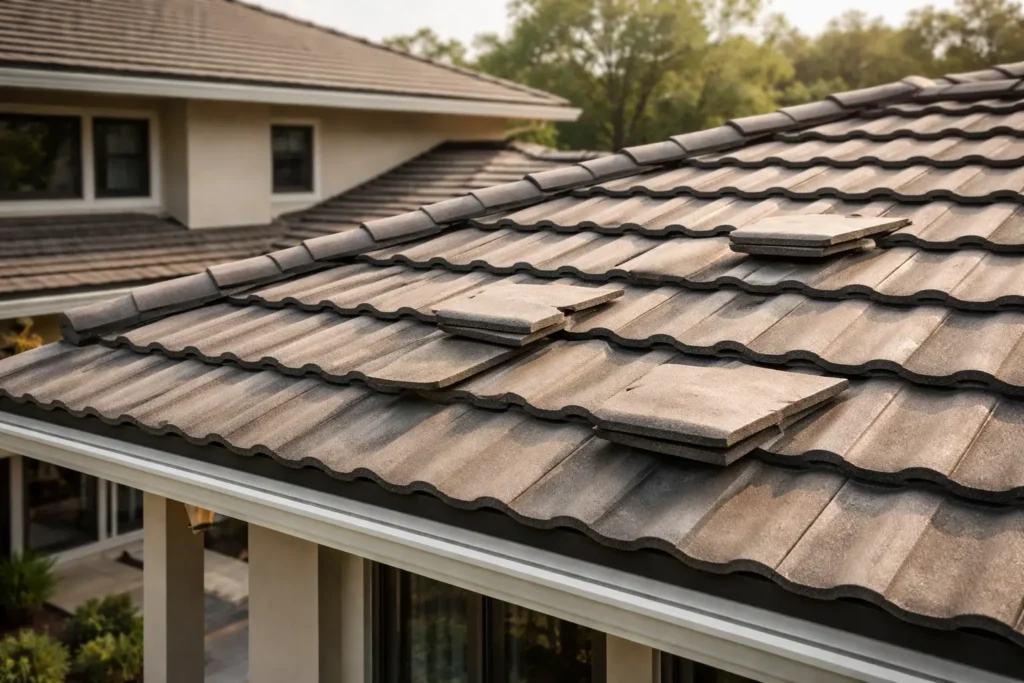
  • Uneven tile rows—Misaligned tiles break the visual flow of the roof.
  • Visible gaps or shifted tiles—Spaces between tiles indicate movement or tile drop.
  • Rattling or clattering sounds—loose tiles move during wind events.
  • Dislodged debris in gutters—Small pieces of mortar or broken tiles may collect in drainage.


Slipping tiles create entry points for water and pests. If ignored, these issues can evolve into insulation damage, leaks, and even structural rot. 

Next, we’ll explore how climate plays a major role in accelerating these problems.

How Weather and Climate Impact Slipping Tile Roofs

How do environmental factors cause tile roofs to slip?
Weather conditions such as wind, temperature swings, and moisture lead to tile expansion, shifting, and failure.

Environmental Forces Behind Tile Roof Movement

Tile roofs in varying climates face different types of stress. These include:

  • Freeze-thaw cycles—In colder regions, water trapped beneath tiles freezes and expands, loosening tiles.
  • Thermal expansion—Heat causes tile and roof materials to expand. Over time, this leads to movement and cracking.
  • Wind damage—High winds can lift tiles, especially when fasteners or clips are weak.
  • Humidity and moisture—Moisture degrades mortar and underlayment, accelerating slippage.

Regional Considerations for Slipping Tile Roofs

Different regions face unique challenges:

Region

Risk Factors

Coastal areas

Storm uplift, salt corrosion, high humidity

Cold climates

Freeze damage, ice dams, thermal contraction

Deserts

Solar degradation, extreme heat expansion

Hurricane zones

Wind uplift, water ingress from driving rain

Key takeaway: Slipping tile roofs in cold weather or storm-prone areas require regular inspections to mitigate weather-related tile roof problems.

Now that we’ve covered environmental stressors, let’s look at what happens if slipping tile roofs are left untreated.

The Dangers of Ignoring Slipping Tile Roofs

Slipping Tile Roofs

What are the risks of not fixing slipping tile roofs?
Unresolved slipping tiles lead to leaks, insulation damage, pest intrusion, and high repair costs.

Structural and Safety Risks

Leaving tile roof issues untreated triggers multiple cascading problems:

  • Water penetration—Gaps between tiles allow rain to reach the underlayment and decking.
  • Roof leaks and ceiling stains—Persistent leaks cause internal water damage and visible stains.
  • Mold growth—Moisture trapped in insulation promotes microbial growth.
  • Structural rot—Long-term moisture weakens rafters and battens.
  • Pest intrusion—Displaced tiles leave open gaps for rodents and insects.

Costly Consequences

Delays in tile roof repair result in:

  • Higher repair bills—minor re-bedding becomes full underlayment replacement.
  • Home insurance complications—Neglected maintenance may void insurance claims.
  • Reduced home value—Visible roof damage negatively affects property value.

Next, we’ll show you how to assess your tile roof safely and identify early signs yourself.

Inspecting Slipping Tile Roofs: What Homeowners Can Check

How can you inspect for slipping roof tiles yourself?
Use ground-level observation, binoculars, and attic checks to spot early problems. For deeper issues, call a certified roofer.

DIY Roof Inspection Checklist

Perform a safe preliminary inspection using the checklist below:

From Ground Level:

  • Look for misaligned or missing tiles
  • Spot any visible tile gaps or cracks
  • Watch for debris in gutters (e.g., tile fragments or mortar pieces)

Use of Binoculars or Drone:

  • Check for lifted tiles or displaced rows
  • Look at roof edges for loose tile alignment
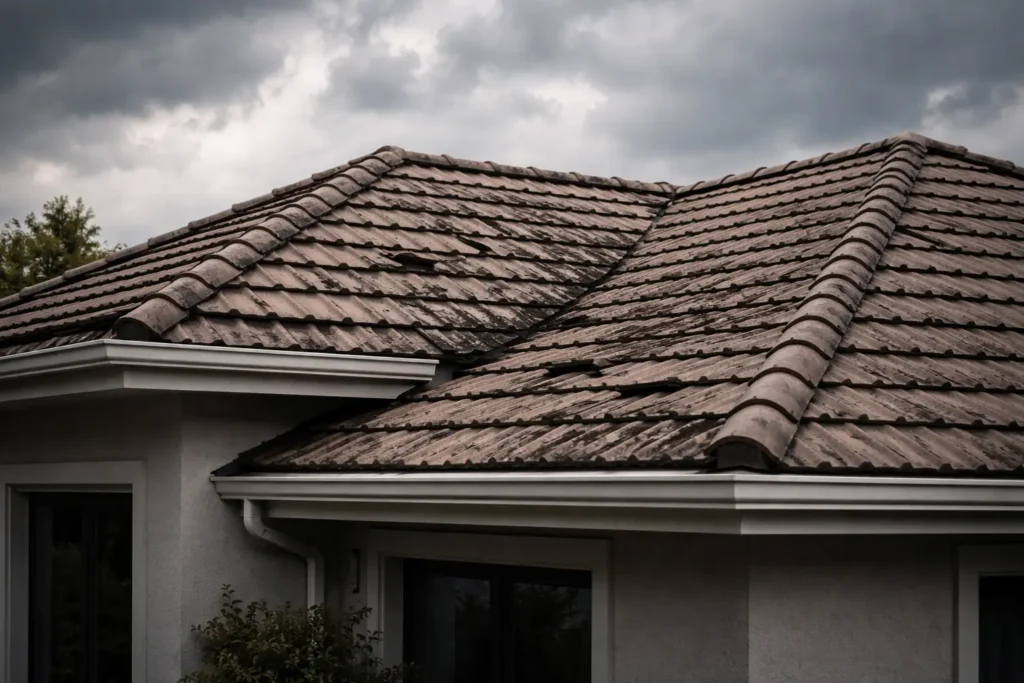
  • Scan for tile discoloration, a sign of water damage

Inside the Attic:

  • Inspect underlayment for tears
  • Note stains on wood decking
  • Look for light penetration from roof gaps

When to Call a Roofing Professional

Hire a roofer when:

  • Tiles are visibly slipping
  • Underlayment damage is confirmed
  • You hear movement during wind
  • Structural issues are suspected

Now that you’ve assessed the problem, let’s examine how tile roofs are repaired and what the costs look like.

Repairing Slipping Tile Roofs: Options and Costs

How are slipping tile roofs repaired, and how much does it cost?
Repairs may involve tile re-securing, fastener replacement, or underlayment repair, with costs ranging from €250 to over €3,000 depending on damage.

Common Tile Roof Repair Methods

Repair Method

Description

Re-bedding tiles

Remove and replace old mortar or adhesive

Fastener replacement

New nails, clips, or screws for loose tiles

Underlayment fix

Replace degraded waterproofing membrane

Localized patching

Repair specific slipped or broken tile sections

Advanced repairs may involve replacing battens, installing tile clips, or full roof restoration.

Cost Estimates

  • Minor repairs (1-5 tiles): €250 – €500
  • Medium repairs (sectional): €750 – €1,500
  • Major repairs (underlayment, battens): €2,000 – €3,500+

Insurance Implications

  • Slipping tiles from storms or sudden events may be covered.
  • Wear and tear or poor maintenance usually voids coverage.
  • Always check your roof warranty and homeowner’s insurance policy.

With costs in mind, preventing slippage is smarter and cheaper. 

The next section explains how to secure your tile roof for the future.

Preventing Slipping Tile Roofs in the Future

Slipping Tile Roofs

How can homeowners prevent tile roof slipping?
Regular maintenance, secure tile fastening systems, and weatherproofing reduce the risk of slipping tile roofs long-term.

Proactive Roof Maintenance Tips

  • Inspect twice a year (spring and autumn)
  • Clear debris from gutters and valleys
  • Seal minor cracks with approved roof sealant
  • Replace cracked mortar around ridge tiles

Secure Installation Techniques

Technique

Benefit

Tile anchoring

Prevents uplift in high-wind areas

Anti-slip tile systems

Specialized clips or adhesive hold tiles firmly

Preventive re-bedding

Fresh mortar or foam bedding increases grip

Mechanical fasteners

Steel screws or clips outlast nails

Roof sealing products

Reduces water infiltration and tile movement

Upgrade Recommendations

  • Use non-slip tiles in steep or storm-prone areas.
  • Choose high-quality tile adhesives for better longevity.
  • Install flashing and roof vents to manage moisture and heat.

Next, we’ll answer frequently asked questions that homeowners often have about slipping tile roofs.

FAQs About Slipping Tile Roofs

Can one loose tile cause a leak?

Yes. A single displaced tile can allow water under the underlayment, especially during heavy rain or wind, leading to leaks and water damage.

Are slipping tiles covered by insurance?

It depends. Insurance may cover tile roof repair if damage is due to storms. Wear, neglect, or poor installation often aren’t covered. Check your policy.

How long does a tile roof last before slipping becomes common?

Tile roofs last 40–50 years, but slipping can occur after 20–30 years without proper maintenance or if the installation quality was poor.

Is DIY tile replacement safe?

Not recommended. Tile roofs are fragile and slippery. Improper access or tile placement can cause injuries or more damage. Always prioritize roofing safety.

What type of tile roofs are least likely to slip?

  • Composite tiles with mechanical clips have strong resistance.
  • Clay tiles with proper anchoring last longer than concrete in high-moisture regions.
  • Modern anti-slip tile systems reduce movement in all climates.

Want More High-Quality Roofing Projects on Long Island?

G&V Roofing delivers trusted craftsmanship, reliable service, and local expertise that turns property owners into lifelong clients—all from one professional source.

Our Services:

🔨Slate Roofing—Elegant, long-lasting, and perfect for upscale homes.
🏛Tile Roofing—Durable and stylish roofing built to handle the Northeast climate.
🏠Residential Roofing—From repairs to full replacements, we protect your home like it’s our own.
🏢Commercial Roofing—Professional-grade roofing systems for businesses and facilities.
💧Gutters—Proper drainage solutions to protect your foundation and landscaping.
🪟WindowsEnergy-efficient and beautiful—enhance your view and lower utility bills.
🧱Siding—Boost curb appeal and protect your exterior with high-performance materials.

Learn About:

✅ Choosing the Right Roofing Materials for Long Island Homes
✅ Roofing Tips for Nassau & Suffolk County Weather
✅ How to Spot Roof Damage Before It Becomes Expensive
✅ The Real Cost of Delaying Roof Repairs
✅ Seasonal Roof Maintenance Checklists

🏡 Looking to Upgrade Your Roof or Protect Your Property Investment?

Whether you’re a homeowner looking for reliable roof solutions or a property manager seeking fast, expert repairs—G&V Roofing is your go-to Long Island partner for long-lasting protection and peace of mind.

📌Follow Us for the Latest in Roofing Care, Property Protection & Home Improvement:

🎵Tiktok: Watch fast transformations, tips from the crew, and roofing secrets revealed
🎥YouTube: Explore step-by-step guides, customer stories, and full project showcases
📸Instagram: See beautiful before-and-afters, behind-the-scenes content, and premium materials
👍Facebook: Read reviews, see featured jobs, and connect with the local G&V Roofing community

👉 Contact G&V Roofing today and discover why craftsmanship matters
With over 50 years of combined experience, George and Vinny deliver unmatched quality and reliability in roofing.

Table of Contents